
The Gothic and the Supernatural
Wuthering HeightsFollows the novel's supernatural currents from nightmare and ghost story to the folklore that surrounds the dead at the close.
increasing Bearing strength in each event
 decreasing
Bearing strength in each eventdecreasingThe Dream of the Preacher
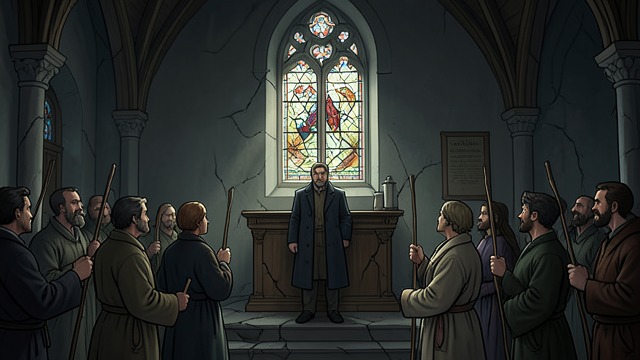
A Sermon of Four Hundred and Ninety Sins
Jabez Branderham's Assault
Lockwood's first dream takes him to Gimmerden Chapel to hear Jabez Branderham preach on "Seventy Times Seven," a sermon divided into four hundred and ninety parts. He denounces the preacher as the First of the Seventy-First, and the congregation rises against him with pilgrim's staves.
A Dream Professional and Personal
The dream's violence, its religious imagery, and its atmosphere of persecution prepare for the ghostly visitation that follows. The Gothic machinery of the novel is here assembled from the materials of the narrator's own frightened mind.
The Ghostly Child
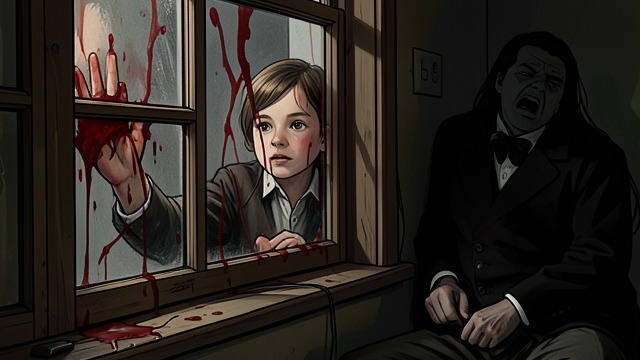
A Waif of Twenty Years
The Ice-Cold Hand
Lockwood wakes to hear a voice crying "Let me in," and sees a child's face at the window. He rubs the wrist of the specter against broken glass until blood runs, and the phantom moans that it has been a waif for twenty years.
A Horror Made Flesh
The nightmare turns the emotional reality of Catherine's death into physical terror. In the Gothic economy of the novel, the unquiet dead are not metaphors; they knock at the glass and will not be denied.
The Locket of Hair

A Token Exchanged in the Dark
Black and Gold
Heathcliff, entering the chamber by stealth, opens the locket around Catherine's neck, replaces her husband's curl of light hair with his own black lock, and vanishes. Nelly later finds the two twisted together and leaves them so.
A Union Sealed in Gold
The doubled hair, folded together in the locket, is a silent emblem of a marriage the living cannot sanction. Even in death, the supernatural logic of the love story redraws the facts of property and ceremony.
The Opened Coffin
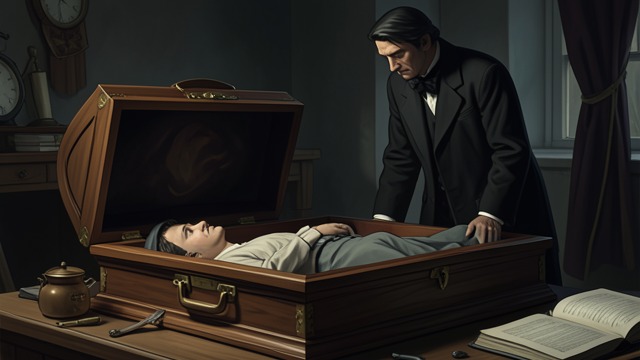
The Desecrated Grave
A Vision of the Beloved
Heathcliff confesses to Nelly that he had Catherine's coffin side removed so his body and hers would mingle, and that he looked on her face, eighteen years preserved. His supernatural certainty of her presence has guided him all his life since the night of the grave's sigh.
A Love That Defies the Ground
The grave is the ultimate Gothic threshold, and Heathcliff's crossing of it is both a horror and a devotion. The novel refuses to separate the natural body from the restless spirit.
The Folk Belief at the Close

Walkers on the Moor
A Story the Peasants Keep
Nelly reports that country people swear Heathcliff walks, and that a shepherd boy has seen him and a woman under the nab; old Joseph sees their faces at the window on rainy nights. Lockwood dismisses the tales yet confesses he no longer likes the dark.
A Legend Settled Over the Graves
The supernatural is allowed to end not as event but as faith, the whisper of the countryside around three headstones. The Gothic machinery dissolves into the peace of folklore, and the restless lovers become part of the heath itself.
Lockwood's first night at Wuthering Heights, in the oak-panelled bed
the same night, after the dream of the sermon
the nights Catherine's corpse lies in the Grange before burial
after Edgar Linton's funeral, autumn 1801
the months after Heathcliff's death, 1802
